What 5G changes about detecting a machine failure
Before low-latency networks, a machine stayed out of sight between two readings. That interval is where the so-called unpredictable failures used to sit.
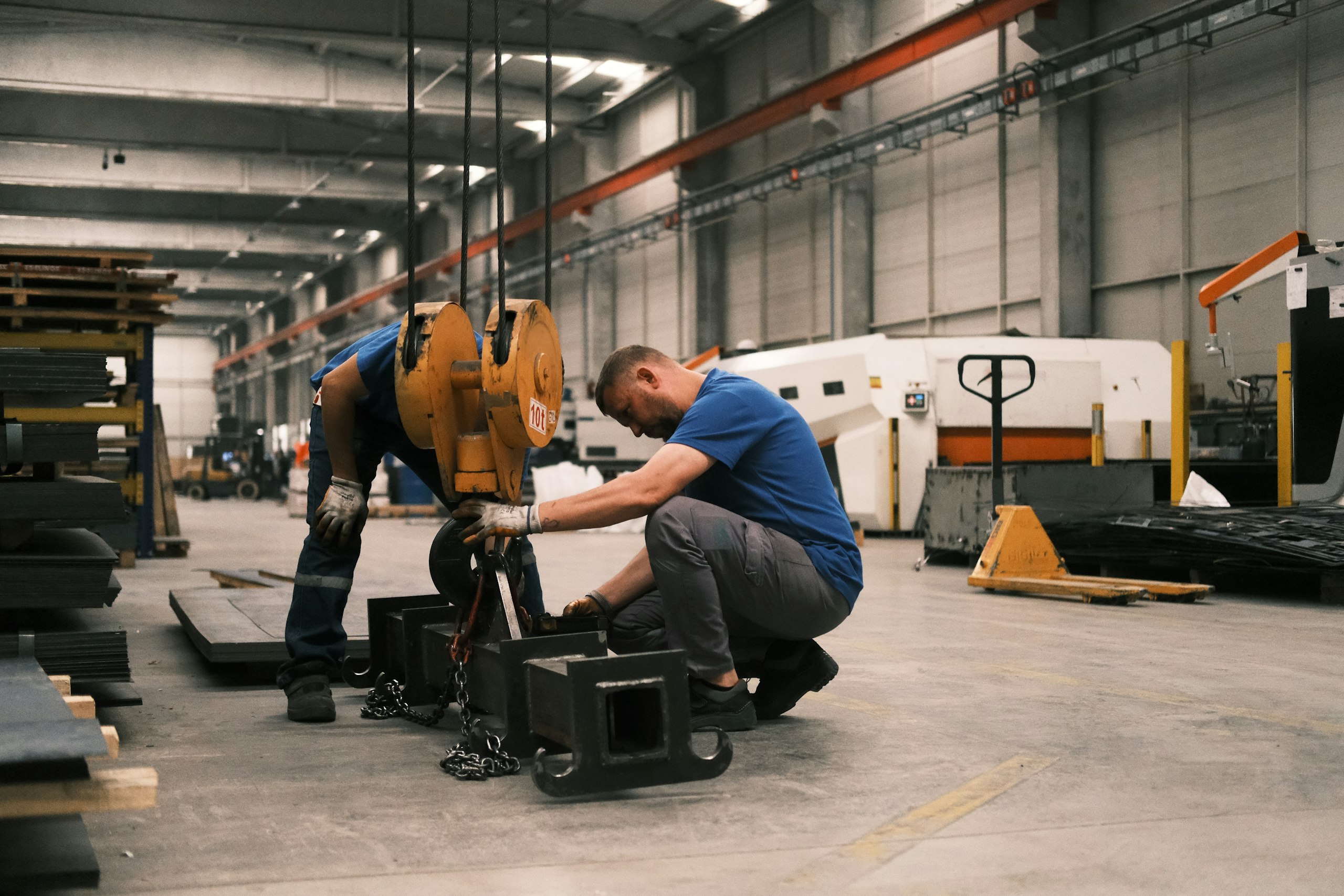
Photo: Cemrecan Yurtman / Unsplash, Licence Unsplash
The first industrial use of 5G is not the most spectacular one. It consists in looking at machines more often, and that single difference changes the nature of maintenance.
The constraint latency used to impose
Monitoring a machine park continuously ran into a simple limit. Installed sensors reported their values in bursts, at intervals dictated by what the link could carry. Between two readings the machine was out of sight. Slow degradation settled into that gap without leaving a trace and the stoppage arrived with no readable warning, hence a reactive approach to failures, made of emergency work and frequent production stops.
What 5G moves
A low-latency link makes it possible to report values often enough to reconstruct a curve rather than a series of isolated points. What changes is not the accuracy of the sensor but how often it is read, and it is that frequency which decides what can be seen coming. Data from several machines arrives in one place and is analysed as it comes. An anomaly is then no longer a deviation noticed afterwards: it is a slope departing from that of the previous weeks, visible before the fault threshold is crossed.
What that changes in practice
- Monitoring becomes continuous, which shifts part of the suffered stoppages towards interventions that are decided rather than endured.
- Maintenance is scheduled on observed condition rather than on a calendar or on a breakdown that has already happened.
- Maintenance resources are allocated according to what the machines show, not according to assumptions about their age.
The limit worth naming
Measuring more often is not enough. A curve announces a failure only if someone looks at it and knows what to do with it, and an alert is worth something only if the intervention window it opens is longer than the time needed to organise that intervention. An earlier detection point is of use only to a team that has the room to act on it. The technology moves that point; it does not decide in place of the maintenance team.
Moving from reactive maintenance to condition-based scheduling therefore does not rest on the network alone. It rests on the measurement frequency the network makes possible, and on what the organisation does with it.