What a machine you never measure actually costs
Missing data appears under no budget line of its own. It spreads across the others: repairs, energy, output quietly left on the table.
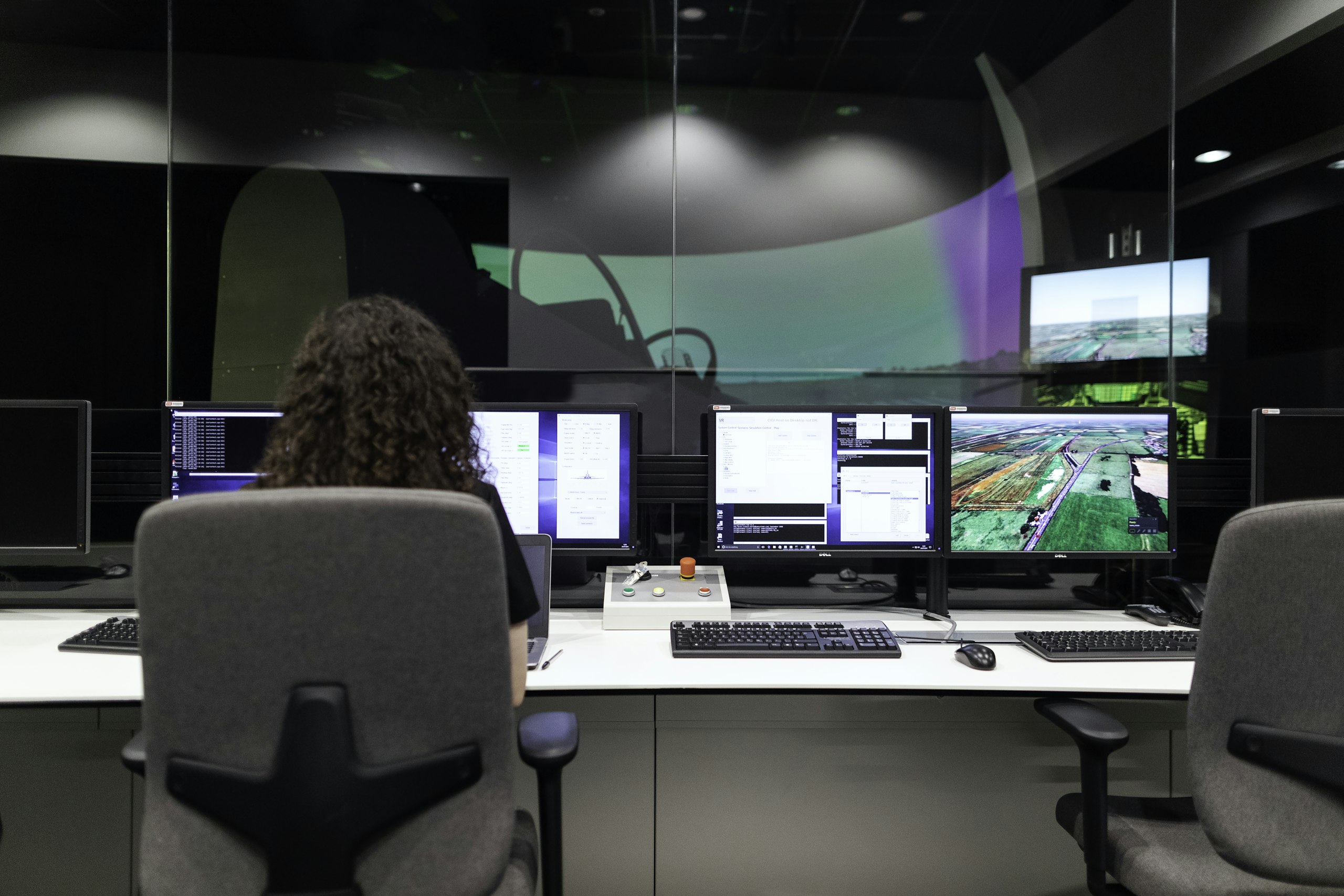
Photo: ThisisEngineering / Unsplash, Licence Unsplash
A machine nobody measures keeps producing. That is what makes its cost hard to see: it never appears under its own name, it spreads across other budget lines: repairs, energy, lost hours, equipment replaced sooner than planned. Nothing looks wrong on the line, which is exactly why nobody goes looking.
What drifts unseen
Two kinds of spending go unnoticed for want of an indicator. The first is energy: a machine can draw more than it needs for months with nothing to flag it, because no monitoring relates its consumption to what it produces. The overall bill does not say which machine is responsible.
The second is output below what is possible. A machine running under its optimal capacity raises no alarm: it is working. The gap between what it does and what it could do only shows if it is measured, and it caps overall production efficiency for as long as it stays invisible.
What you learn too late
The other costs arrive all at once. Without performance monitoring, the signs of wear go unnoticed until the breakdown: production stops, and the repair lands in a budget that was not expecting it. Ageing equipment follows the same logic: hard to anticipate without tracking data, it shows up as a premature failure and an expensive repair. Neither of the two was unpredictable: they were simply never observed.
Maintenance that can only react
Between the two sits maintenance itself. Deprived of performance indicators, it can only be reactive: you intervene when the machine decides. That costs more than the same job scheduled, adds unplanned stoppages to the calendar, and wears equipment out faster than it should be.
Where to start
A whole plant does not get instrumented at once, and it does not need to be. One question is enough to pick the first machine: which one, if it stopped tomorrow morning, would leave you with no explanation? That is the one to monitor in real time before the others. Proactive management starts there, on a single machine you can finally describe, not on a plan that promises to see everything at once.