Five energy levers, and the three that start with a measurement
Insulation, lighting, scheduling, upkeep, training: the levers have been known for years. What sets them apart is whether you can verify what they return.
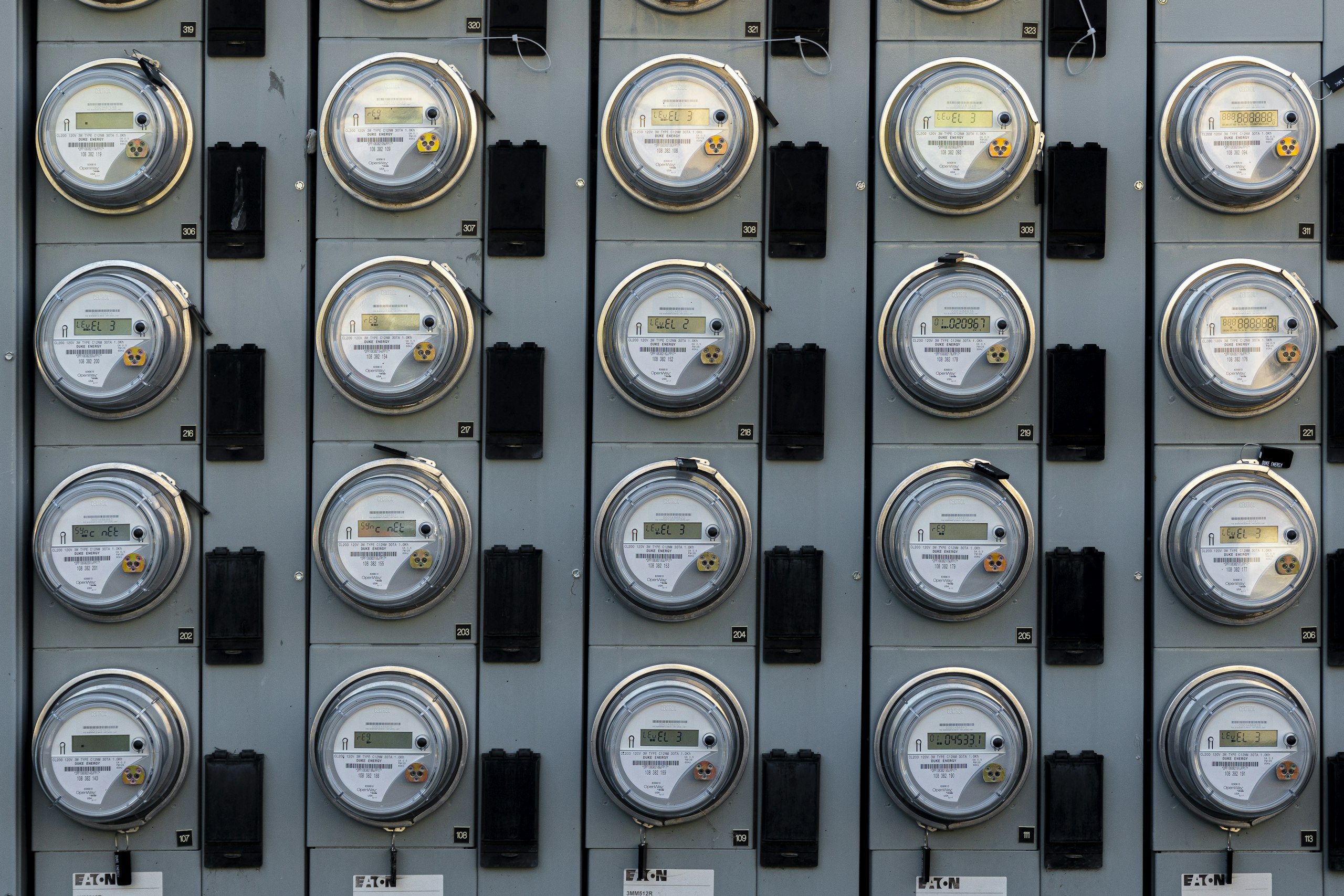
Photo: Jon Moore / Unsplash, Licence Unsplash
The energy bill and environmental obligations push in the same direction: use less to produce as much. The available levers are well documented. Their difficulty is not technical; it lies in the order in which to pull them on a given site.
One simple way to sort them is to ask, for each, whether it can be decided without measuring anything.
What can be decided with no prior measurement
Two projects need no instrumentation to get started.
- Lighting. Replace older sources with LEDs, fit motion detectors in areas that see little traffic, reorganise workstations to make use of daylight. The gain is banked, and visibility at the workstation improves.
- The building envelope. Strengthen thermal insulation, choose materials that perform, install high-speed doors at the busiest openings. Heating and cooling register the difference straight away.
These two are dealt with once. They are not steered day to day.
What requires knowing where the current goes
The other three levers call for a reading of what actually happens, workstation by workstation.
- Upkeep. A poorly maintained machine draws more for the same work. Following the real condition of equipment heads off both the breakdown and the drift in consumption that often precedes it.
- Scheduling. Shift the heaviest operations into off-peak hours, align cycles with variable tariffs. That still requires knowing which operations weigh most, and a main meter will not tell you.
- The teams. An operator acts when the effect of the action is visible. Energy performance indicators displayed at the workstation, plus training on good practice, are worth more than a general instruction to save.
Where to start measuring
The site's incoming meter gives a total, never a culprit. Sub-metering per machine, obtained by clipping a current clamp around a supply cable, identifies the loads that genuinely weigh on the bill.
It is also what lets you check afterwards that a shifted time slot or a maintenance intervention produced the expected effect. Without that check, a savings plan stays a list of intentions.
The order above is not an order of execution. The first two levers can start immediately, the other three start with a measurement: two different timelines, and nothing prevents running them side by side.