What industrial IoT really changes in a plant already built
Industry 4.0 promises the connected plant. On the floor, the first question is a smaller one: what needs measuring, and on which machines already in place?
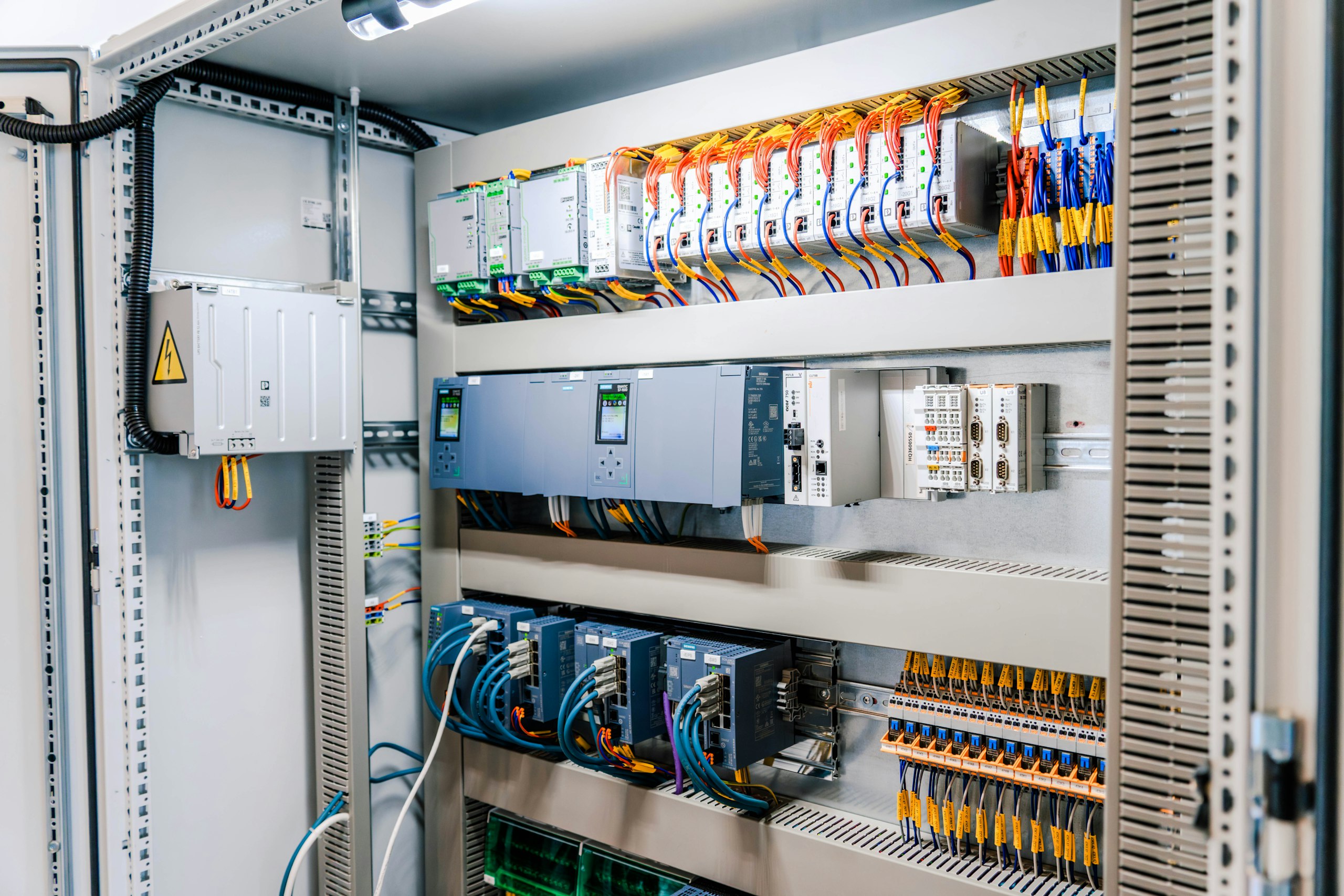
Photo: Raymond Sime / Unsplash, Licence Unsplash
No plant gets rebuilt to make room for sensors. The lines are running, part of the equipment is fifteen years old, and an hour of stopped production costs more than the instrument you meant to fit. That constraint shapes every industrial Internet of Things project from the start, and it settles its form: measurement attaches to what is already there, or it does not happen at all.
Fitting onto a line without rewriting it
Industrial measurement devices are built for machines that were never designed to receive them. They sit alongside equipment already in service, without altering its cycle, and installation goes ahead without a major production stoppage. Check that point before any other: if fitting the device means taking a line down for a long stretch, the arithmetic changes completely.
Continuous data decides nothing
A sensor reporting a reading around the clock makes no decisions. What it moves is the moment you know. Instead of finding out afterwards (the part has been scrapped, the machine has stopped), you are watching while the line runs. The device is worth precisely what the shop floor does with that reading in the hour that follows. Data nobody looks at produces nothing.
Three uses that keep coming back
- Predictive maintenance: tracking the readings brings out the signs of a failure before the breakdown. The intervention lands in a window you choose rather than in a stoppage you suffer.
- Energy monitoring: consumption can be read machine by machine and compared week to week, so adjustments rest on measurements instead of on one global bill.
- Work organisation: flow measurements show where tasks pile up, which station waits and which one saturates. Workload can then be discussed on facts rather than on impressions.
What measurement does not do
It does not reduce an energy footprint by being present. A meter never lowered a consumption figure; the decision taken after the reading does, and that decision stays human. The same holds for output and for wear: data informs a trade-off, it does not settle it.
So the order of the questions matters more than the choice of hardware. Which decision do you take today without a measurement, and what would a measurement change about it? If no answer comes for a given machine, that machine is not the one to instrument first. If the answer comes straight away, you have the starting point of your project, and it is narrower, and therefore more workable, than a plan to equip everything.