Three decisions to make before connecting the first machine
Many digital transformation projects fall short of their objective, often because nobody settled in advance what would count as a result.
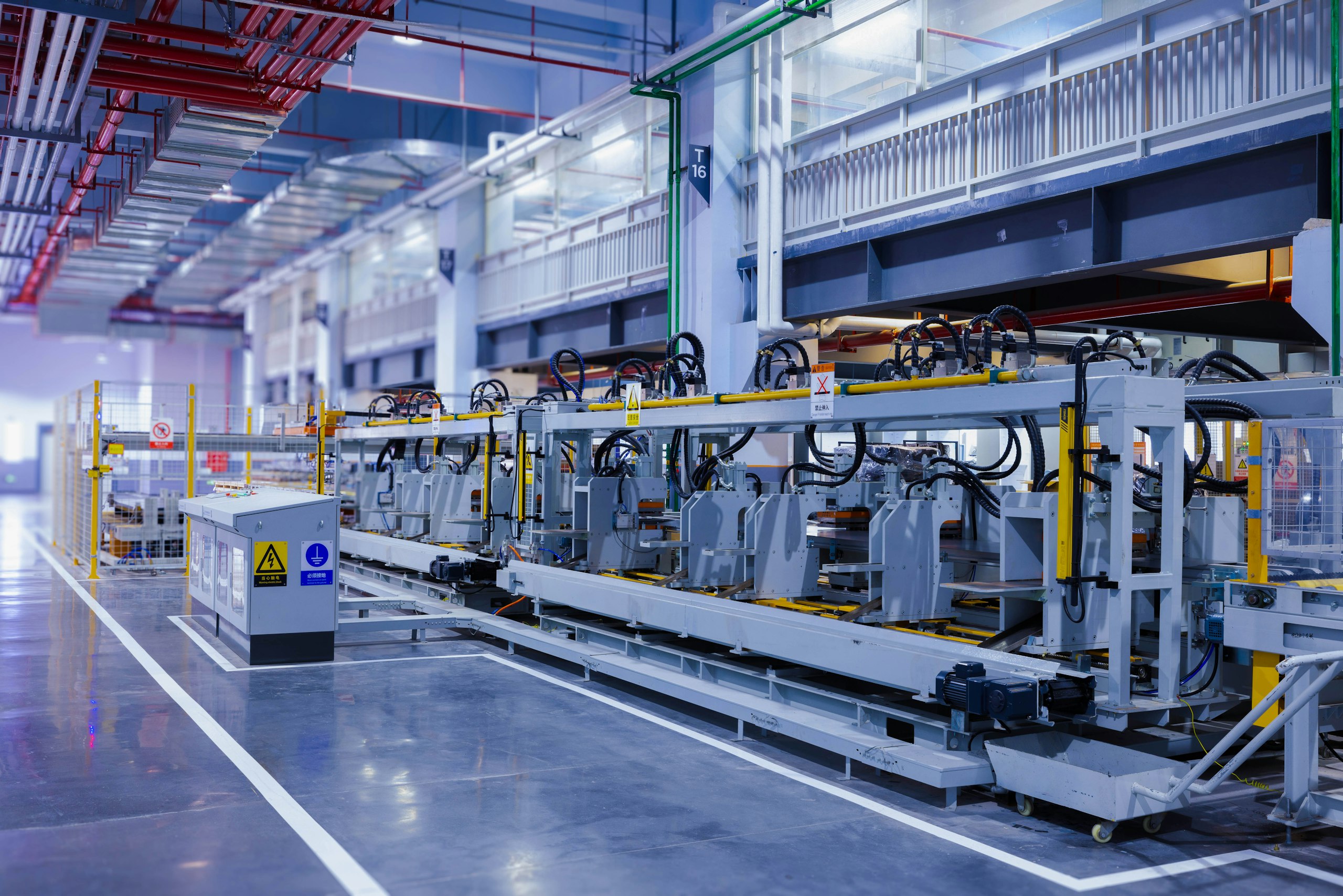
Photo: Homa Appliances / Unsplash, Licence Unsplash
The gains expected from a connected workshop are well known: predictive maintenance reduces machine downtime, process optimisation raises the throughput of a line while lowering operating costs, and automating repetitive tasks alongside training the teams improves labour productivity. It is not those gains that make projects fail. It is the way they are started.
Decide what the first scope covers
A whole-workshop project commits budget, stoppages and trade-offs before it has produced a single lesson. One line, or even one machine, is enough to find out whether the data coming back can be used and whether anyone uses it. The selection criterion is not the most important machine, but the one whose problem is already known and expensive enough for measurement to be worth something immediately.
Decide what to keep of the existing equipment
An ageing park is not an obstacle in itself. Equipment without a digital interface can be instrumented from the outside, and a device that is fitted and plugged in avoids waiting for the whole park to be replaced. Sycon has connected machines in this way whose original electronics anticipated nothing of the kind, without the entry cost determining what came next.
Decide in advance what counts as a result
This is the decision most often skipped and the most useful. Before anything is installed, write down the question the setup has to answer, the measurement that will answer it, and the date on which it will be looked at. Without that, the end of a pilot is debated indefinitely: everyone sees in it what they hoped for, and the project drifts for want of a stopping rule.
Iterate without waiting for the finished version
An imperfect first setup that runs teaches more than a complete specification that waits. Adjustments follow what is observed rather than what was planned to be observed, and part of a pilot's value lies precisely in what it reveals, unexpectedly, about how the line actually behaves.
A digital transformation is not judged by its initial ambition but by the first decision it allowed to be made differently. If after a few weeks no decision has changed, the problem is not the technology.