Monitoring an older machine without touching its controls
A machine with no communication port is not a machine you cannot monitor. What gets recorded is taken from the outside, without opening the cabinet or altering the program.
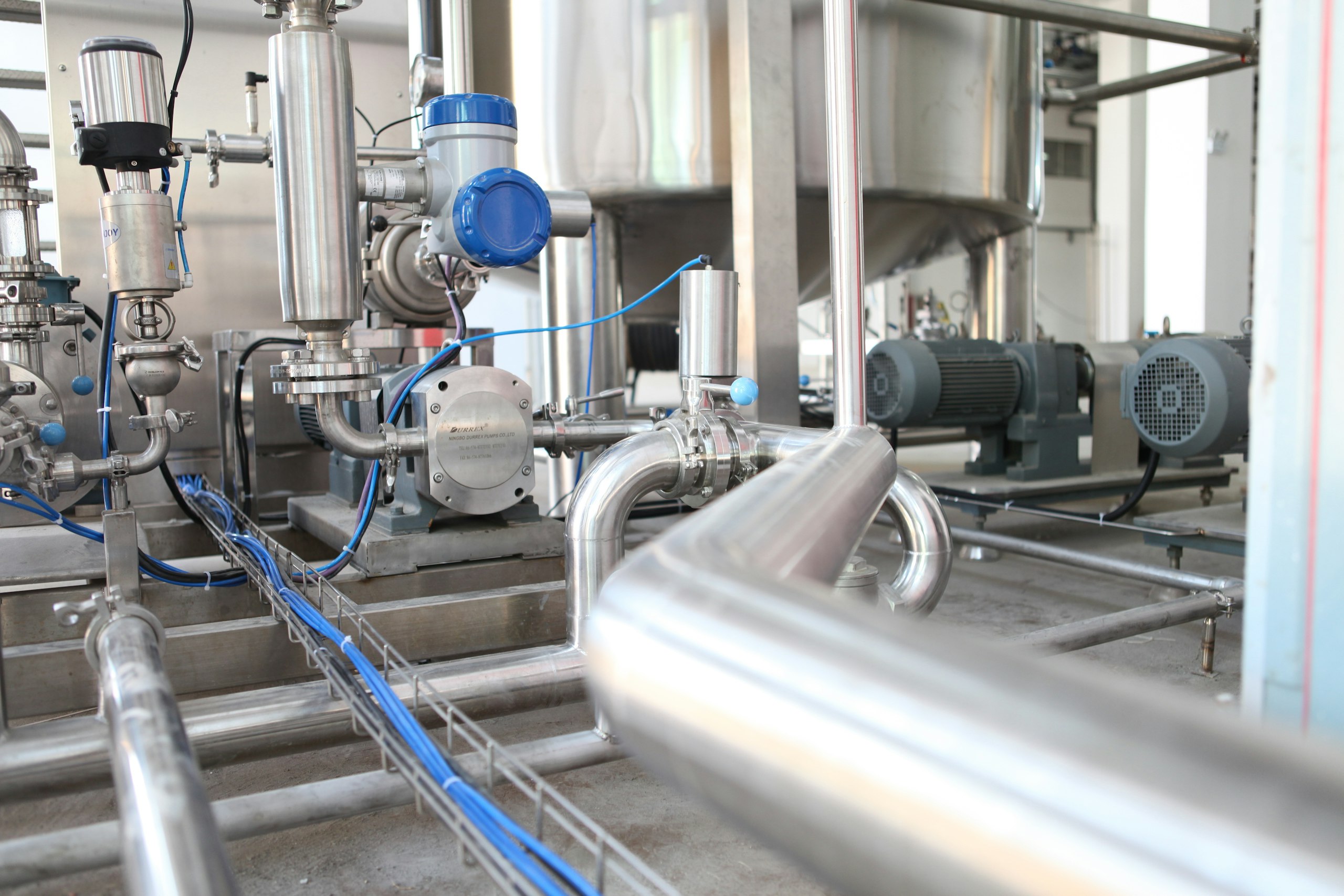
Photo: Crystal Kwok / Unsplash, Licence Unsplash
A shop floor rarely holds machines of the same age. Next to equipment delivered with its own monitoring stand the press, the furnace or the compressor that have been running for years, whose supplier has sometimes gone out of business, and which never had a communication port. Those are the machines that make people give up on a monitoring project: the assumption is that they would have to be replaced before anything could be seen.
The age of the machine is not the obstacle
The real obstacle lies elsewhere. These machines do not speak, but they produce physical signals that can be measured without them: the current drawn by a motor, the heat of a housing, the number of completed cycles. None of this requires opening the cabinet or altering a program.
That is the shift worth understanding. You do not connect the machine, you instrument what it lets you observe from the outside. Equipment from an earlier generation then becomes as readable as recent equipment, without touching what makes it run, and therefore without taking on the responsibility of whoever set it up.
What measurement changes, and in what order
The benefits do arrive, but they arrive in a definite order, and it is better to know that order before starting.
- Visibility first: you finally know when a machine is producing, when it is waiting, when it has stopped.
- Energy next: the heaviest consumers stand out, and some operations can be moved to cheaper time slots.
- Anticipation last: a slow drift in a measurement signals wear before it becomes a breakdown, and the maintenance round is reordered by the actual condition of the equipment rather than by the calendar.
That last point takes the longest to arrive. It assumes the machine has been watched long enough to know what normal operation looks like.
Where to start
The expensive reflex is to equip everything at once. The approach holds better when it starts with a single machine, chosen because it has already caused a stoppage everyone remembers.
Once that machine is monitored, the next question asks itself: which one deserves the same treatment? The answer comes from what has been recorded, not from an equipment plan drawn up in advance.
An old machine does not become modern because it is measured. It becomes predictable, and that is enough to change the way it is maintained.