What distorts the payback case for connected maintenance
The price of the sensors is almost never what sinks the case. It is the items that never appear on the quotation, and the time they consume before the first measurement.
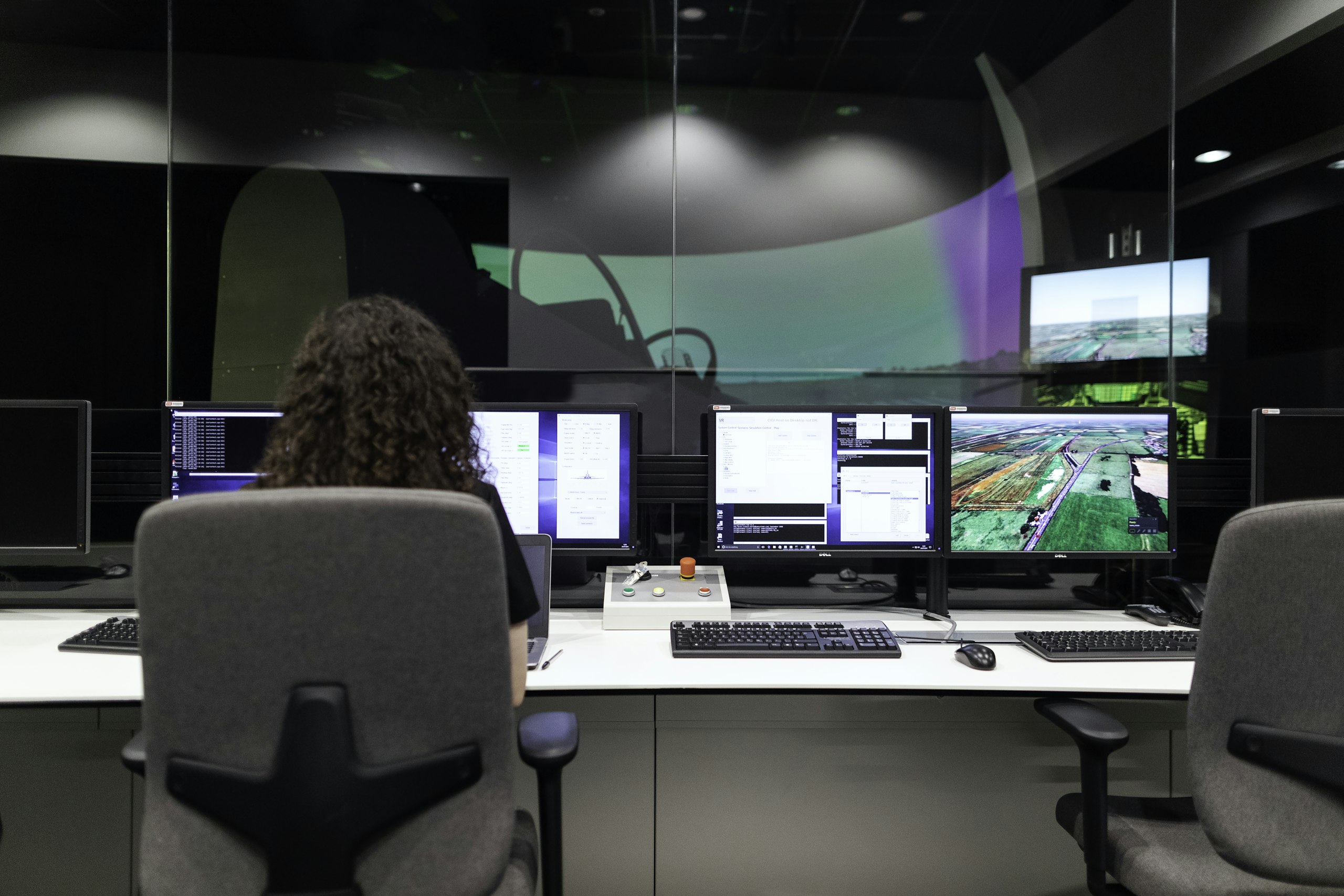
Photo: ThisisEngineering / Unsplash, Licence Unsplash
A connected maintenance case rarely reads the way the project unfolds. The quotation lists sensors and a subscription; the project takes weeks of work that appear nowhere on it. That gap is what makes small and mid-sized manufacturers give up, far more than the hardware line.
Three items missing from the quotation
- Infrastructure. Running cables, installing Wi-Fi gateways, reworking a network architecture: the works often outweigh the measurement they are meant to enable.
- Exposure. Wiring production machines into the company network creates a path that did not exist before, and someone then has to answer for it.
- Processing. Capturing millions of points with no means of using them produces no knowledge, only storage and noise.
One machine, one proof, then the next
An LTE-M cellular link carried by the device itself removes the first item from the calculation: nothing to cable, nothing to open up, no infrastructure investment to amortise before the first reading arrives. Alignment with the Cyber Resilience Act holds from installation, since the company network is never touched.
Deployment becomes sequential. You fit one critical machine, you watch, and you decide on the next from results rather than from a projection. That changes the nature of the case: there is no longer an entry threshold to clear all at once.
Two quantities are enough to begin
A hundred readings unrelated to the failure weigh less than one well-chosen quantity.
- Vibration, tracked through its Max, Mean and Var indicators, reveals an imbalance or bearing wear before the machine stops.
- Current draw: a motor working harder draws more. The Syway sends the Sybox, over Bluetooth Low Energy, readings from current clamps rated up to 500 amperes, second by second. Cross-read with temperature, humidity and air quality, it places the anomaly.
Reporting to match what the site can handle
A measurement that triggers no action returns nothing.
- For shop-floor teams, a dashboard and threshold alerts are enough to decide on an intervention. Machine learning takes over on weak signals, too slow for any threshold.
- For an equipped IT department, an API feeds the data into the ERP or CMMS already in place.
The calculation then comes down to a simple comparison: on one side an intervention planned into a scheduled line stop, on the other a failure handled as an emergency, with production halted and a part to find within the day. The first breakdown avoided settles the question.