Making an older machine talk without modifying it
An ageing asset base is rarely replaceable, often critical, and almost always without an interface. Fitting it out takes three steps and asks nothing of the IT department.
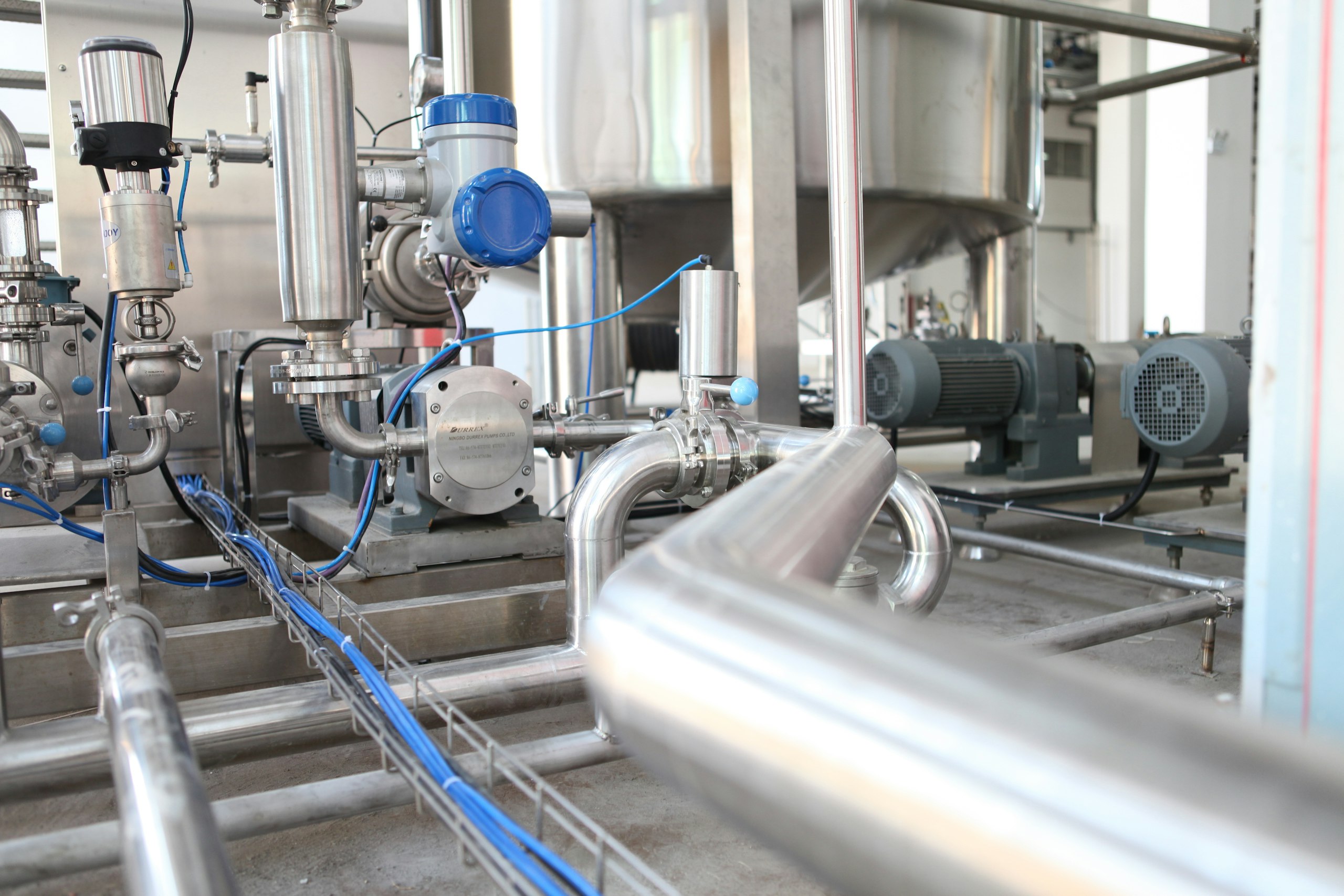
Photo: Crystal Kwok / Unsplash, Licence Unsplash
"Silent" does not mean quiet. A twenty-year-old press vibrates, heats up and draws current exactly like a new one; it simply has no way of saying so. A retrofit adds that voice on top, replacing nothing and depending on nothing the PLC may or may not expose.
Three steps, in order
- Fit the Sybox to the machine and power it. A 220 V socket or a 5 V supply is enough.
- If electrical consumption is part of the need, install the Syway near the cabinet and clip the current clamps onto the conductors, without breaking the circuit. Measurement goes up to 500 amps.
- Let it run long enough to build something you can compare against.
There is no fourth step. That is what separates this approach from a conventional instrumentation project, where the works precede the first reading by several months.
What each unit records
The Sybox is a vibration sensor: it produces RMS, peak and variance values, sampled at 400 Hz. At the same time it logs the machine room around it (temperature, humidity, CO2), because a given vibration level does not read the same way under different conditions.
The Syway samples current once per second and talks to the Sybox over Bluetooth Low Energy. It sends nothing on its own: the Sybox carries the SIM card and the LTE-M link to the outside world.
Why the IT department has nothing to arbitrate
This is the point that unblocks the most projects. The Sybox holds no address on the plant network, crosses no internal firewall and requires no exception: it goes out over the cellular network. Isolation from the information system is obtained by design, and that design meets the Cyber Resilience Act.
A deployment can therefore start without going through a committee. What changes is not the engineering, it is the schedule.
Two ways to read what comes back
Field teams work from a web dashboard: history per machine, configurable alerts (a motor overheating, for instance). Sites already running a CMMS or an ERP pull the same streams through a REST API and file them in their own tools.
Neither route requires investing in local infrastructure. That is what monitoring sold as a service rather than as hardware amounts to: the equipment stays the supplier's, the plant pays for the use.