Getting an old machine to talk without touching its mechanics
Replacing a line is one answer to unplanned downtime. It is neither the only one nor the first to examine while the installed equipment still does its job.
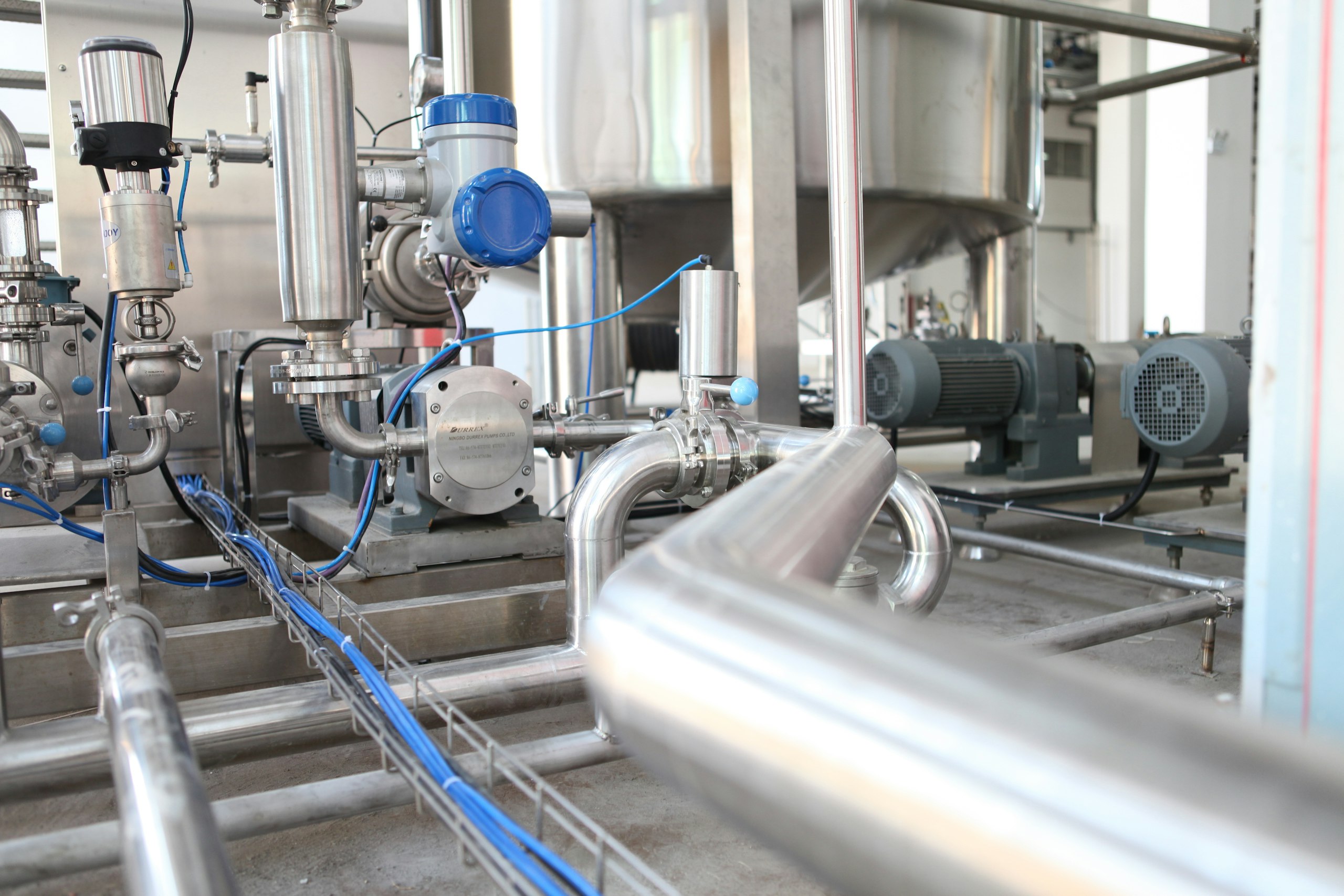
Photo: Crystal Kwok / Unsplash, Licence Unsplash
A site director and a finance director ask the same question in different words: what does an hour of downtime cost, and what does avoiding it cost? Answering by replacing equipment commits capital for years. A retrofit starts from what is already on the floor.
What a retrofit changes, and what it leaves alone
Retrofitting means adding digital functions to production equipment without altering its mechanical infrastructure. The machine stays what it is; it gains sensors, a link and a reading of its own condition. The same approach also serves to meet safety, environmental or quality requirements on equipment nobody plans to replace.
These machines with no interface, inherited from several generations of investment, have a name in the trade: the brownfield fleet. They run, they produce, and they say nothing about their own wear. For a small or mid-sized manufacturer, instrumenting them remains the lightest route into condition-based maintenance, with a modest entry ticket and no infrastructure works.
What the Sybox reads on a motor
The unit, part of a DeepTech-labelled solution, sits near the equipment and works on two fronts.
- Vibration analysis, reported as RMS, peak and kurtosis values, with no measurement wiring.
- Machine-room conditions: temperature, humidity, CO2 and air quality.
The combination matters more than either reading alone: it is the cross-check between the mechanics and their surroundings that makes a diagnosis hold up.
What the Syway adds on the electrical side
The Syway fixes to the equipment and talks to the Sybox over Bluetooth Low Energy, while the Sybox alone carries the LTE-M link to the outside. It connects to a current clamp and reads intensity up to 500 amperes without breaking the circuit, one measurement per second.
Two uses follow: an alert on excess draw, which often precedes a motor failure, and per-machine electrical sub-metering, useful well beyond maintenance.
Why IT has no case to review
Cybersecurity is the first reason such projects are turned down, and it is a serious one: a machine wired into the company network becomes a way in.
Here, nothing is wired in. The Sybox raises its cellular link, the Syway talks only to it, and the information system stays outside the perimeter. Data remains sovereign and the equipment meets the expectations of the Cyber Resilience Act.
An ageing fleet is not technical debt as long as it stays measurable. Installation takes no cabling, is done by the teams already on site, and proceeds machine by machine.