Start with the bottleneck machine, not the whole plant
Lean hunts down waste, and unplanned downtime is the most expensive kind. What remains is choosing which machine to instrument first, and knowing what a measurement really lets you see coming.
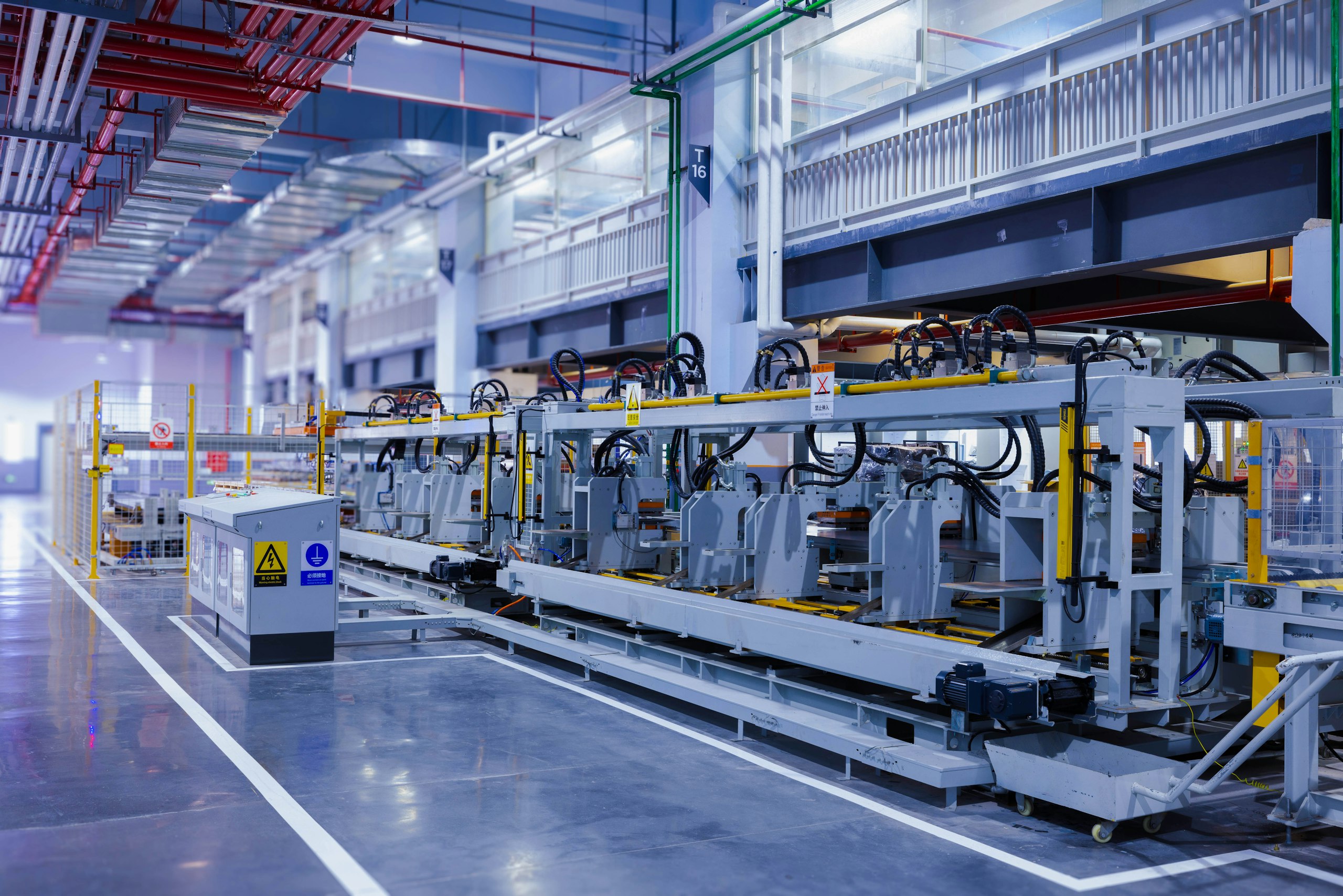
Photo: Homa Appliances / Unsplash, Licence Unsplash
Ask the question at your next production meeting: on this line, which machine sets the pace for all the others? The answer comes quickly, and it is rarely disputed. That machine is the one to listen to first.
Kaizen moves in small steps. Instrumenting an entire plant on day one goes against the method as much as against the capital budget.
What calendar-based maintenance misses
A schedule built on the calendar replaces parts that are still sound and overlooks the ones that fail between two visits. Nobody argues any more about working from the actual condition of equipment. What stalls small and mid-sized manufacturers is the execution: how do you fit sensors to machines already in service without opening an IT project?
Three quantities that confirm each other
Read on its own, a curve supports any interpretation. Read together, three measurements outline the fatigue of a machine.
- Vibration, tracked through its Max, Mean and Var indicators, points to imbalance, misalignment or bearing wear.
- Current draw: mechanical friction is paid for in amps. Current clamps reading up to 500 amperes, one measurement per second, tie a current spike to the early stage of a seizure.
- Ambient conditions: temperature, humidity and air quality (CO2eq) bear on how long machines last and on how steady the process stays.
The plant network stays closed
This is where many projects stop. Putting sensors on the company Wi-Fi or Ethernet opens a cybersecurity file and ties up the IT department for weeks.
The Sybox sits near the machine, takes power and raises its own LTE-M link. The Syway, fixed to the equipment, sends it readings over Bluetooth Low Energy. Neither takes an address on the company network, so an attack finds no route onward to the ERP or the SCADA. The maintenance team installs the units itself, with no network settings to configure.
Turning readings into decisions
A measurement that triggers nothing is worth nothing.
- A threshold crossed on vibration or temperature raises an alert the shop floor can read.
- Against the recorded history, a learning model establishes what counts as normal for that particular unit, then catches the slow drifts no threshold will pick up.
- An API pushes processed data into an existing CMMS or ERP; a web dashboard is enough for sites that run neither.
High-frequency monitoring of current draw also feeds the measurement and verification requirements set out in ISO 50001.
Fit the bottleneck machine, watch overall equipment effectiveness across a quarter, then decide on the next one. TPM aims at zero breakdowns; it gets there machine by machine, not through a plant-wide equipment plan.