What 5G changes about quality inspection on a production line
One more camera at the edge of the line is not enough. What decides whether an automated inspection is useful is the delay between the image and the verdict.
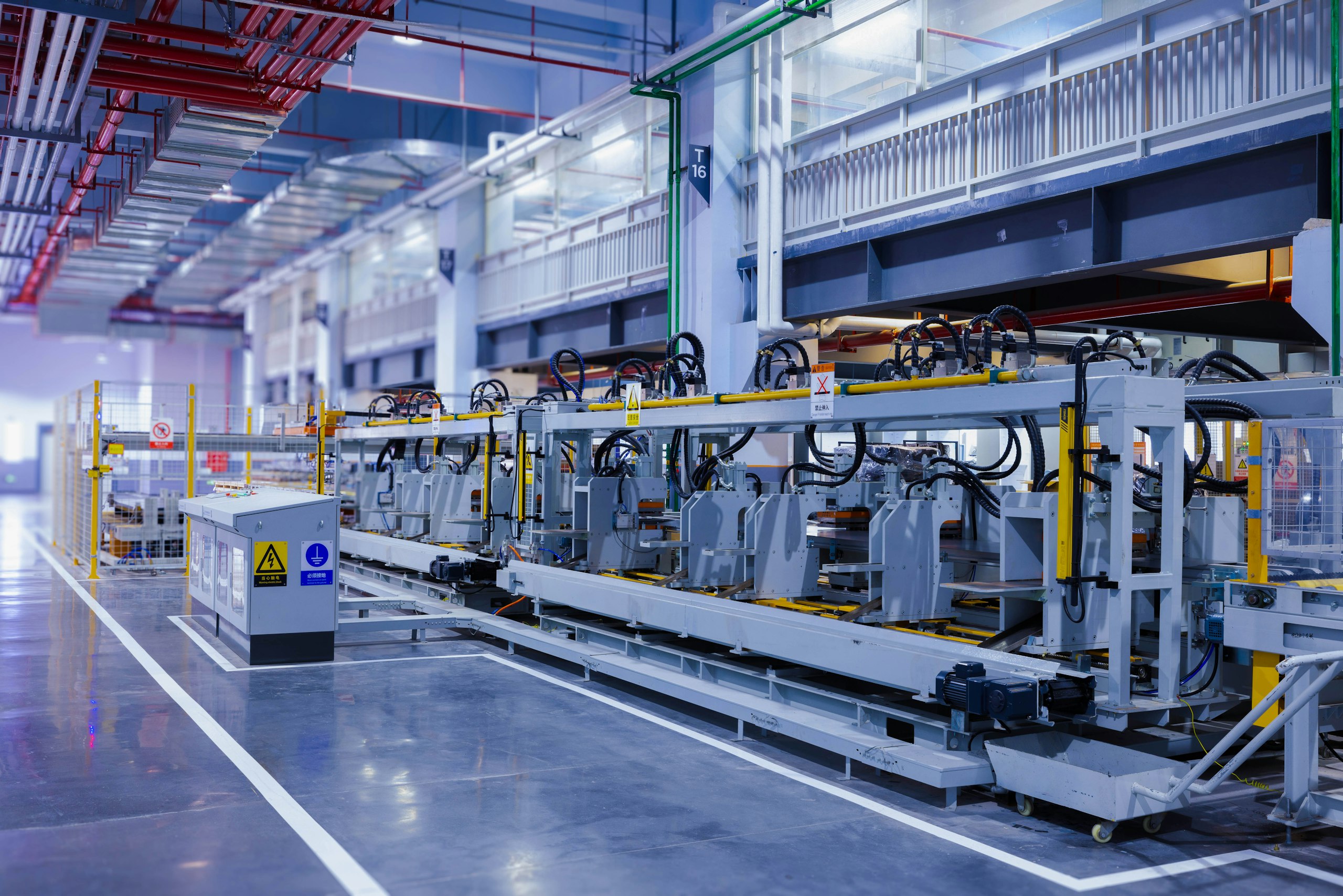
Photo: Homa Appliances / Unsplash, Licence Unsplash
A manual visual check depends on one person, one light source and one line speed. All three drift over the course of a shift. That is where escaped defects come from: not from carelessness, but from a repetitive task held at the pace of the line, and taking a good number of people to keep up.
What the camera looks at instead of the eye
An automated inspection puts high-definition cameras and precision sensors at the edge of the line. They deliver an immediate and precise analysis of the products: the same criterion on the first part and on the ten-thousandth, the same threshold at the start of the shift and at the end of it. Automation does not make the check stricter, it makes it constant.
Latency is a design constraint
A verdict that arrives after the part has moved on is worth nothing. That is why the network matters as much as the optics: visual data and quality measurements have to travel immediately for the decision to land while the product is still in front of the camera. A very low latency link is what makes the inspection usable on the line rather than in a laboratory.
What the shop floor gains
- Human error falls, because the criterion stops depending on fatigue.
- Checks are faster and more reliable, so they can be used without slowing production down.
- Fewer people are needed to run quality control.
That last point is the only one calling for a decision before installation, and it is not a technical one. Freed-up time does not reallocate itself: it goes into setup, into scrap analysis, into training, or it evaporates. Settle that question before the cameras arrive, not after.
Write the criterion before you automate it
An automated inspection applies exactly the criterion it was given, and does not interpret it. If a defect is described today as “you know it when you see it”, it will have to be stated differently: dimension, shade, position, tolerance. Defining it is often the long part of the project, and it has a merit of its own: it brings out the disagreements between departments about what, precisely, counts as a good part.