Production data where the shift manager actually stands
Between the incident and the information there is usually a corridor, a staircase and a fixed screen. That walk is what a connected tablet removes.
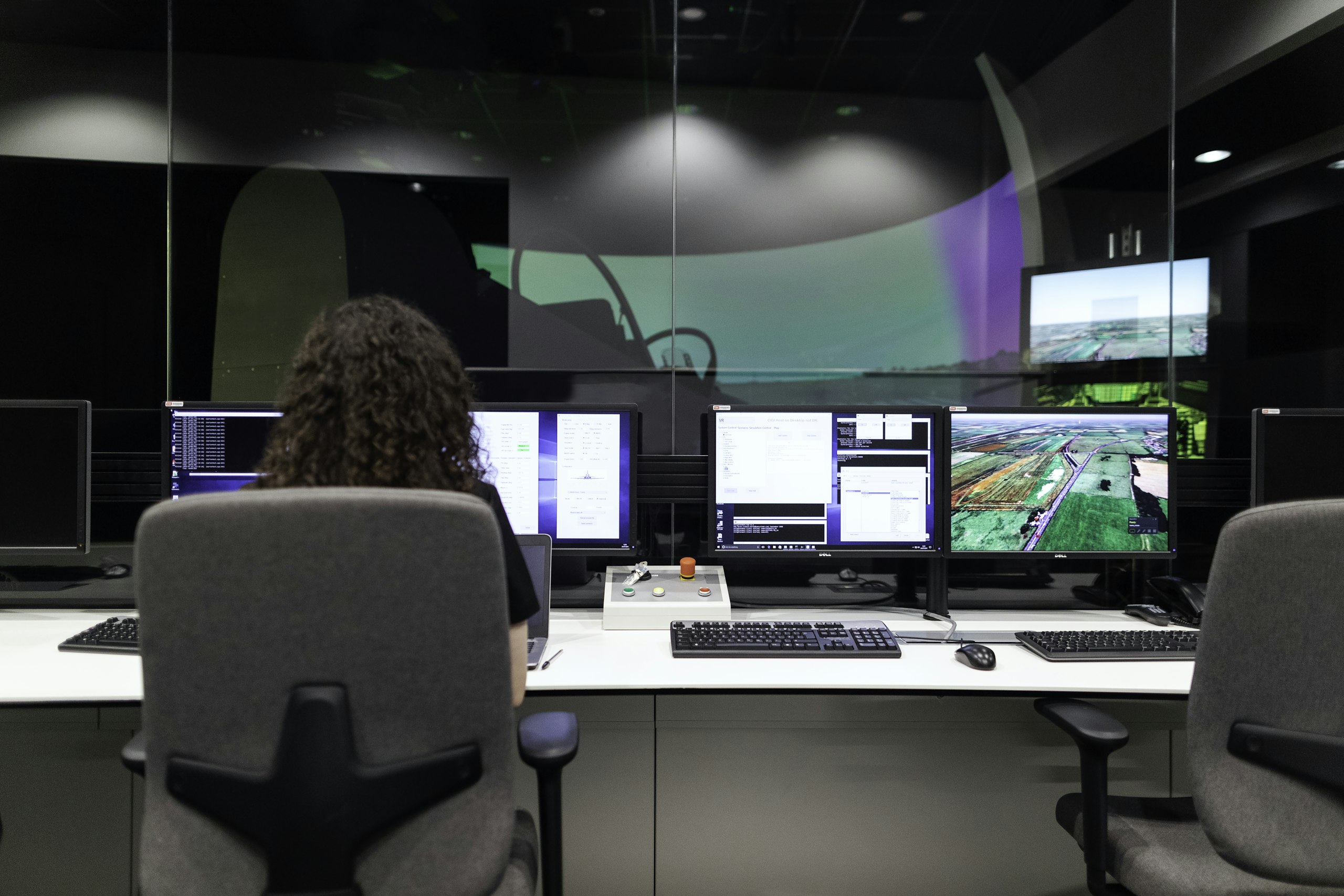
Photo: ThisisEngineering / Unsplash, Licence Unsplash
A machine stops at the end of the line. The shift manager is at the other end of the shop. He walks across, reads the alert on the fixed terminal, walks back. Three minutes, sometimes five. They appear in no indicator, and they repeat several times a day.
Taken once, that walk is nothing at all. Repeated from one shift to the next, it ends up setting the pace at which the shop reacts to its own incidents.
The fixed terminal pins the manager down too
In a production environment, the information a manager needs is gathered in one place he has to reach. He moves constantly; the data does not. The result is not poor monitoring, it is delayed monitoring: the decision arrives after the event, and the team's responsiveness settles at that delay.
What a connected tablet carries
A tablet on the plant network gives access to production data, machine alerts and performance reports wherever the manager happens to be standing. It also works the other way: talking to the teams without going back to an office, and adjusting an instruction while the problem is live rather than at the next debrief. The device does nothing the fixed terminal could not do; it does it where the decision is made. None of that information is new: what changes is that it no longer waits for someone to come and collect it.
Two checks before ordering the tablets
- Coverage. The promise only holds if the link follows the manager everywhere he goes, including the places where it is hardest to obtain. One dead spot in the wrong aisle, and the walk starts again.
- What is on screen. A tablet is not a supervision desk. What belongs at the top of it is not everything known about the line, but what can be acted on within the minute. The rest should stay reachable, but in second place.
What changes next
Responsiveness to the unexpected improves, teams coordinate during the event instead of afterwards, and running operations becomes more efficient. None of that comes from the tablet itself. It comes from the information and the person who decides finally being in the same place at the same time.